Leading Excavation Offerings: Expert Solutions for Your Construction Needs
Top-rated digging solutions play an crucial role in the construction industry. They ensure that projects start on solid ground through professional site preparation and grading. These teams are equipped to handle various tasks, from utility trenching to adherence with safety regulations. Comprehending the variety of available services and the criteria for selecting the right company can greatly influence project outcomes. However, what specific factors should one consider when choosing an excavation expert?
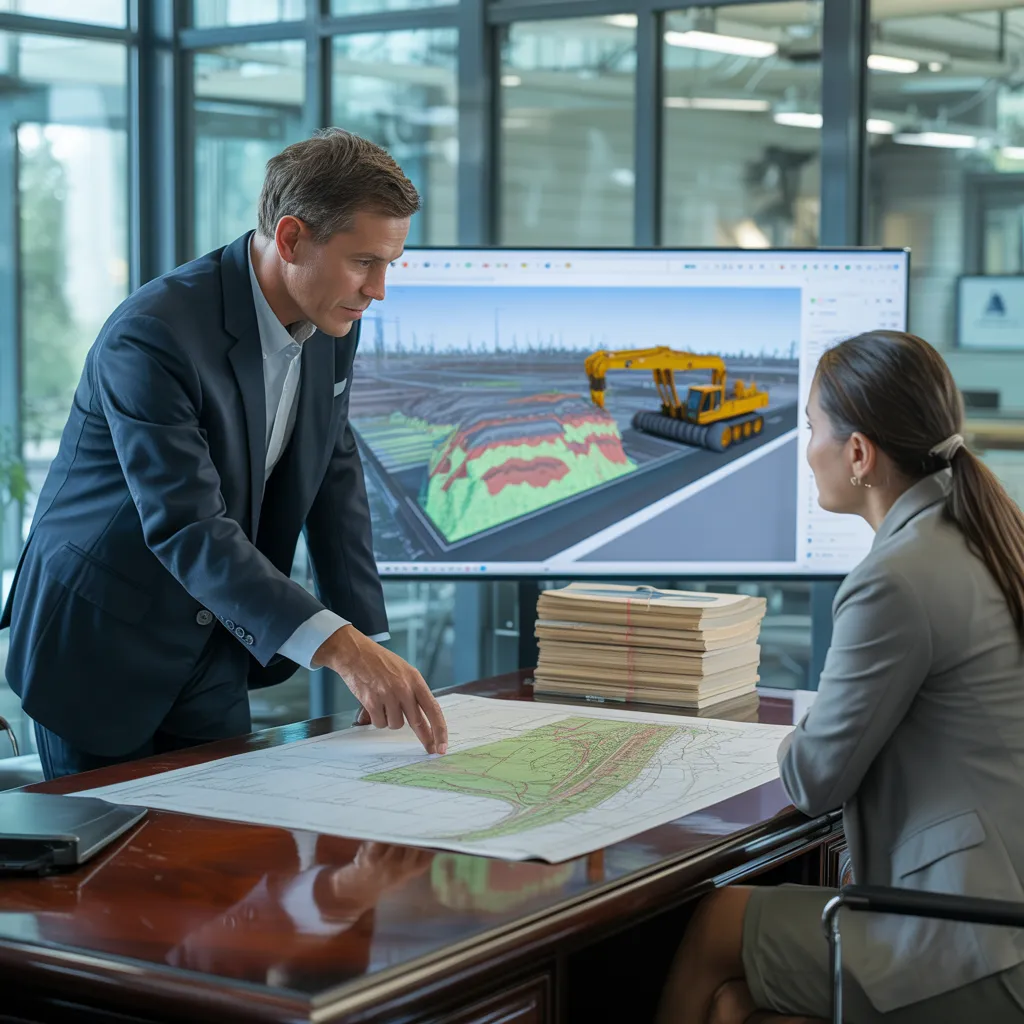
Understanding Digging Services in Construction
Excavation services are critical in the development sector, as they lay the groundwork for any successful endeavor. These services entail the removal of earth and minerals to condition areas for various structures, including buildings, roads, and utilities. The process initiates with site assessment, where consultants evaluate soil quality, drainage, and natural considerations. This assessment shapes the removal methodology, confirming efficiency and compliance with regulations.
Additionally, digging is not merely about digging; it involves careful preparation and execution to prevent building problems later on. The use of advanced machinery and methods is critical, as poor digging can lead to costly delays and dangerous conditions. Furthermore, excavation services also include grading, trenching, and the installation of base structures, which are essential for the integrity of the construction project. Overall, understanding excavation services is key for ensuring a solid foundation and successful project completion.
Various Classifications of Excavation Options On Hand
Excavation services are essential components for diverse construction needs, and they can be categorized into different types dependent on the project scale and requirements. Residential excavation services typically target individual homes, while commercial excavation solutions serve larger, business-oriented projects. Recognizing these distinctions assists clients in determining the appropriate service for their distinct needs.
Residential Excavation Services
When organizing a residential project, homeowners often investigate various excavation services tailored to their specific needs. Common types consist of land preparation, which involves clearing and leveling land for building development, and trench digging, used for setting up systems like water and electrical lines. Excavation for foundations guarantees a strong foundation for homes, while grading services help control drainage and landscaping. Additionally, homeowners may need digging for basements or swimming pools, each demanding expert methods and tools. Environmental considerations, such as erosion control and soil management, are also essential in residential excavation. By choosing the appropriate service, homeowners can enhance the security, usefulness, and visual quality of their properties, assuring a successful project from the ground up.
Commercial Earthmoving Options
Tackling the complexities of industrial projects requires a range of professional digging services tailored to diverse requirements. These services feature site preparation, which entails grading and clearing land to establish a firm base for structures. In addition, trench services are essential for installing utilities and drainage systems, guaranteeing infrastructure is properly incorporated.
Excavation for major earthmoving operations is another essential aspect, often required for parking lots or road construction. Additionally, demolition excavation is used to safely take down existing buildings while reducing disruption. Every kind of commercial excavation service is tailored to adhere to project requirements, guaranteeing regulatory compliance and enhancing safety at the site. Selecting optimal solutions helps businesses boost project efficiency and maintain long-term sustainability.
Important Criteria for Selecting an Excavation Company
When hiring an excavation company, a number of key factors demand consideration. Experience and expertise serve vital roles in promoting project success, while proper licensing and insurance provide essential legal protection. Moreover, the availability of modern equipment and technology can markedly influence the efficiency and quality of the work executed.
Experience and Skill
Picking an excavation company is largely based on their experience and expertise. A established firm generally has a wealth of knowledge gained from handling diverse projects, which allows them to navigate challenges efficiently. Experienced experts know various soil types, ground conditions, and excavation techniques, ensuring that they can deliver custom solutions for unique needs. Moreover, a business with a strong track record often employs trained operators who are proficient in using advanced machinery, minimising the risk of accidents and project delays. Their expertise not only enhances efficiency but also improves the overall quality of the work. Ultimately, picking an excavation company with considerable experience and demonstrated expertise ensures a more streamlined construction process and superior project outcomes.
Permits and Insurance
Suitable licensing and insurance are critical criteria in assessing an excavation contractor. A licensed contractor exhibits compliance toward regional requirements and professional guidelines, ensuring that services rendered meets safety and quality benchmarks. This safeguards the quality of the project and also mitigates potential legal issues. Additionally, insurance coverage is vital; it protects both the contractor and the client from financial liability in the event of incidents or harm during the excavation process. Clients must verify that the firm holds appropriate general liability and workers' compensation insurance. Through prioritizing such considerations, clients can choose wisely, decreasing risks connected to engaging unprofessional or uncovered digging work. In the end, correct permits and protection demonstrate an organization's expertise and dedication to protection.
Equipment and Advanced Tools
A thorough review of equipment and technology is crucial for choosing an excavation company. The type and condition of machinery greatly affect project efficiency and safety. Companies using modern, well-maintained equipment can guarantee higher accuracy and faster completion times. In addition, advanced technology, such as GPS systems and 3D modeling, enhances precision in excavation tasks, minimizing the risk of errors. Prospective clients should ask regarding the specific machinery used, the age of the equipment, and any technological tools employed during operations. Moreover, companies that prioritize innovation often adopt eco-friendly practices, which can be an added benefit. Ultimately, selecting a firm with superior equipment and technology can lead to successful project outcomes and cost-effective solutions.
Reviewing Excavation Professionals' Technical knowledge
In what way can one effectively assess the expertise of excavation experts? Assessing their competencies entails checking their expertise, certifications, and previous assignments. A practitioner with extensive experience in multiple discussion excavation methods, such as residential, commercial, or industrial work, frequently exhibits a broader skill set. Qualifications from recognized industry organizations also signify a commitment to safe operations and professional standards.
Additionally, prospective customers should seek out references and testimonials. Comments from previous clients can give insight into the professional's reliability and quality of work. Looking at a range of finished projects can additionally reveal the breadth and quality of their proficiency.
Finally, performing interviews allows potential customers to assess interpersonal abilities and analytical capabilities. By considering these factors, individuals can choose wisely when selecting excavation professionals, ensuring they choose specialists who will meet their construction needs efficiently.
What Factors Influence Excavation Work Costs?
Understanding the expenditures involved in excavation services is vital for individuals planning construction projects. Various considerations determine these costs, including project size, complexity, and location. In most cases, excavation services charge by the hour or by the cubic yard of material moved. For limited undertakings, costs might vary from $40 to $150 per hour, while extensive, more demanding operations can increase to $200 or more per hour.
Moreover, working conditions play an important role; rocky or uneven terrain may call for custom machinery, thereby inflating expenses. Environmental and permitting factors can also contribute to the overall budget. It is advisable for clients to obtain several quotes to confirm competitive rates. Ultimately, understanding these factors enables better financial planning and helps set realistic expectations for excavation project costs.
Advantages of Engaging Expert Excavation Teams
When patrons opt to work with experienced excavation teams, they often enjoy a store of knowledge that can greatly enhance project outcomes. These practitioners offer a extensive knowledge of soil types, site conditions, and local regulations, which facilitates making informed decisions. Their expertise guarantees optimized project management, reducing delays and minimizing costs.
In addition, seasoned groups are equipped with innovative tools and technology, permitting for precise ground work and grading, which is indispensable for the integrity of ensuing construction phases. Safety is likewise paramount consideration; experienced teams copyright safety protocols, markedly lowering the risk of accidents on-site.
Furthermore, a demonstrated history in multiple undertakings often means that these groups can foresee obstacles and proactively implement solutions. Essentially, working with experienced excavation experts not only enhances the overall construction experience but also fosters a foundation for sustained project achievement.

Often Inquired Questions
How much time should you anticipate an excavation undertaking to take?
An excavation project generally spans between a few days to several weeks, depending on factors such as project size, soil conditions, and weather. Proper planning and execution can greatly control the overall timeline.
What Safety Measures Do Excavation Companies Implement On-Site?
Excavation companies deploy various safety measures on-site, featuring proper signage, containment fencing, safety apparel, periodic safety sessions, and observance of local regulations. These approaches intend to decrease potential hazards and maintain the security of crew members and nearby individuals.
Can Earth Moving Services Be Conducted in Harsh Weather Conditions?
Excavation activities can be conducted in adverse weather conditions, but safety is paramount. Companies often examine potential hazards, establish safety precautions, and may suspend projects if conditions compromise worker safety or equipment integrity.
Is Permitting Mandatory for Soil Removal Work in My Territory?
Permits are generally required for earth-moving operations, fluctuating by jurisdiction. It is vital for stakeholders to verify municipal rules to affirm observance, as obtaining the necessary permits can help circumvent court problems and fines.
How Do Excavation Companies Overcome Unforeseen Underground Obstacles?
Excavation companies typically assess unexpected underground obstacles by employing advanced technology for detection. They then modify their plans accordingly, often confer with engineers to identify the best approach for safely managing the unforeseen challenges encountered during the project.